


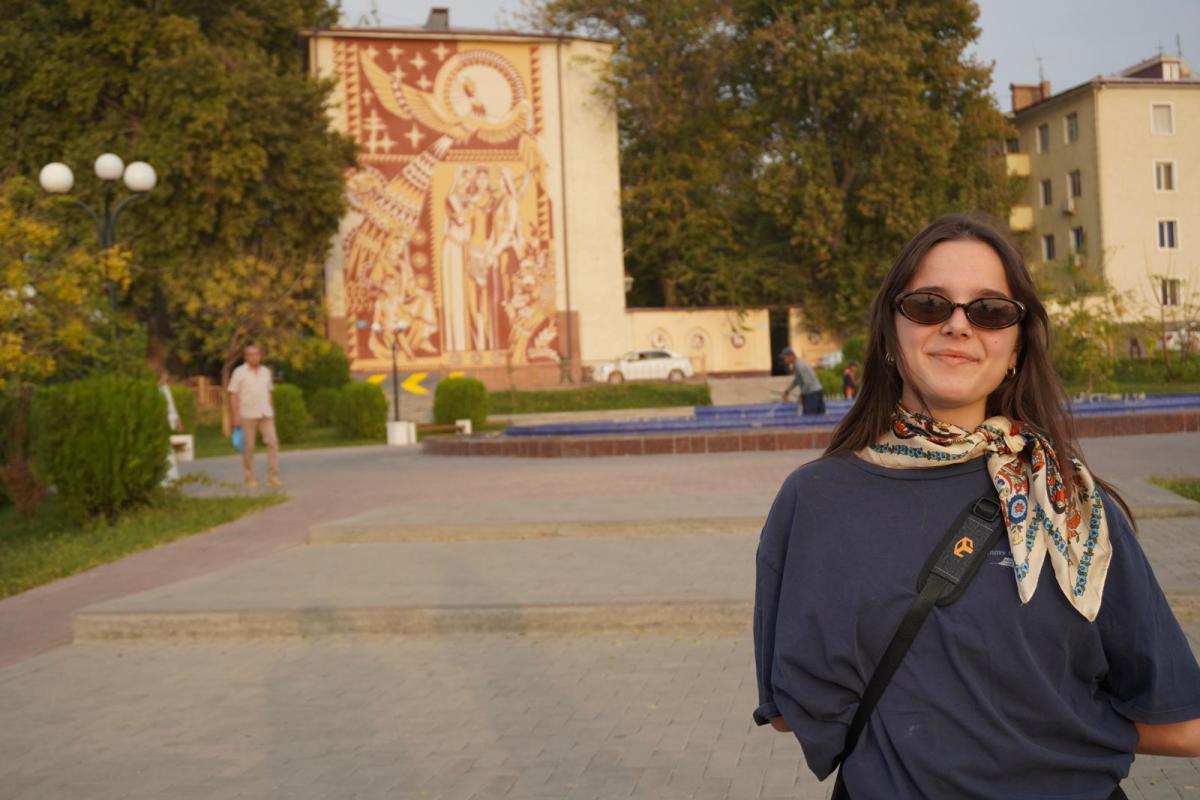
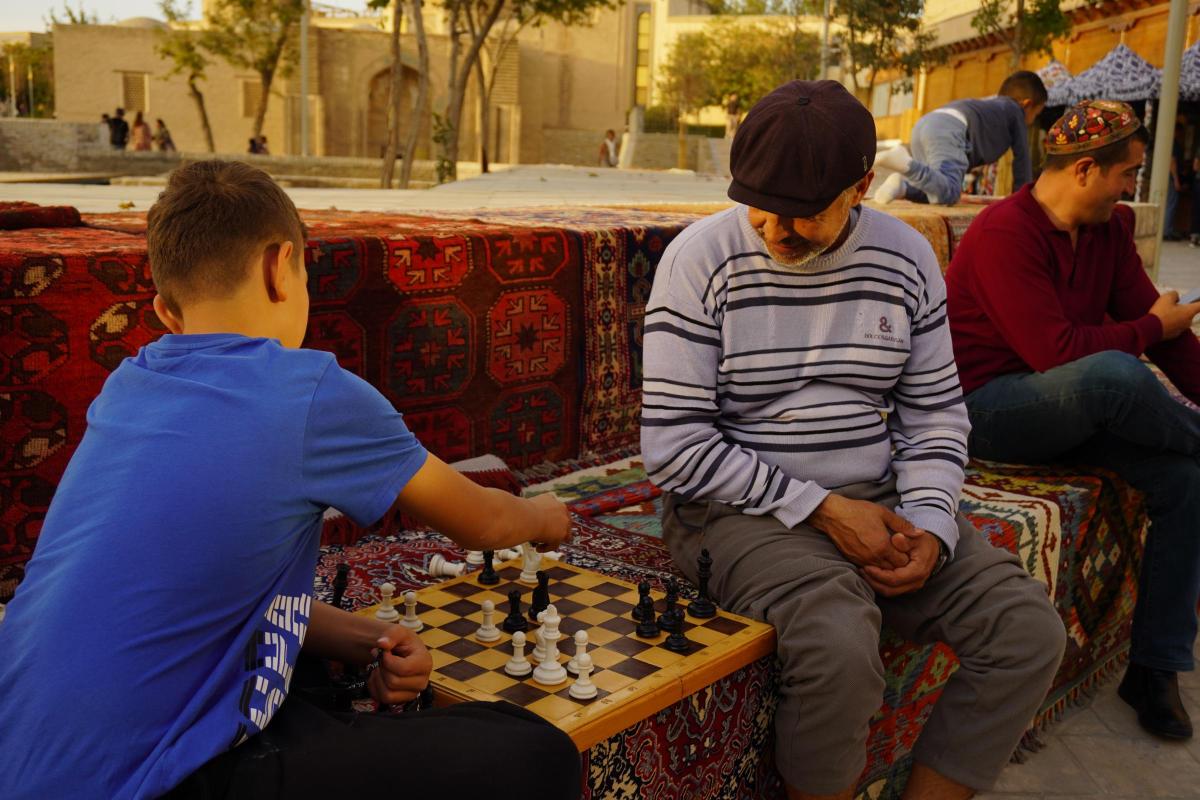

Last year, only 8,000 Brits travelled to Central Asia, and this October, I was one of them.
Little is known in the West about this not-so-little region, sandwiched between Russia, the Caspian Sea, China, Iran and Afghanistan.
Once an integral part of the Silk Road, a network of ancient trade routes connecting East and West from the second century BC to the mid-15th century, these countries are now largely overlooked as mere post-Soviet states.
Fuelled by interest in the region and facilitated by a Russian speaking friend studying in Kazakhstan, I set off on my two-week holiday from The Press and an adventure through these underappreciated nations.
Kazakhstan
Almaty
Situated in the world's largest landlocked country, so vast it is almost the same size as the whole of western Europe, Almaty is considered the most liberal, western-influenced city in Central Asia.

It perfectly epitomises ‘Eurasia,’ blending chaotic daily markets and traditional horse meat dishes with speciality coffee shops and tree-lined boulevards.
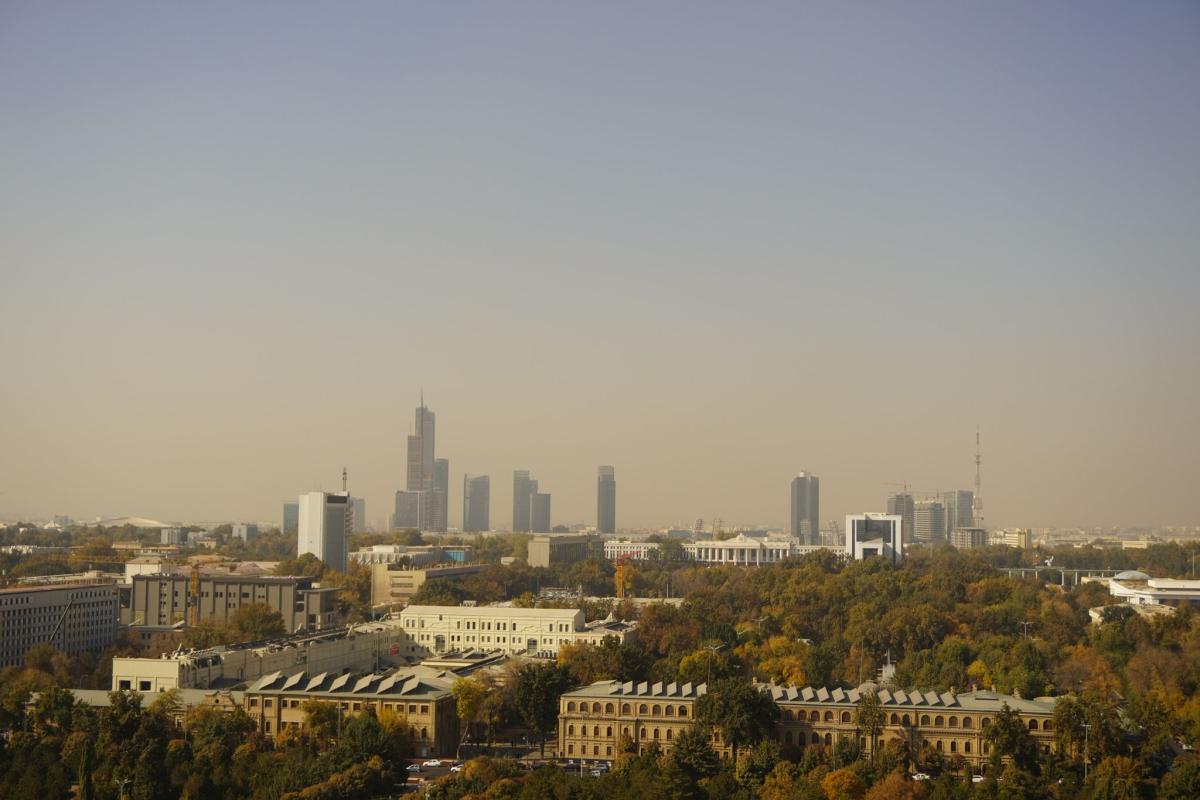
Despite being one of the most air-polluted cities in the world, looking through the smoggy air, Almaty is set against the towering Trans-Ili Alatau mountains, providing a picturesque backdrop.

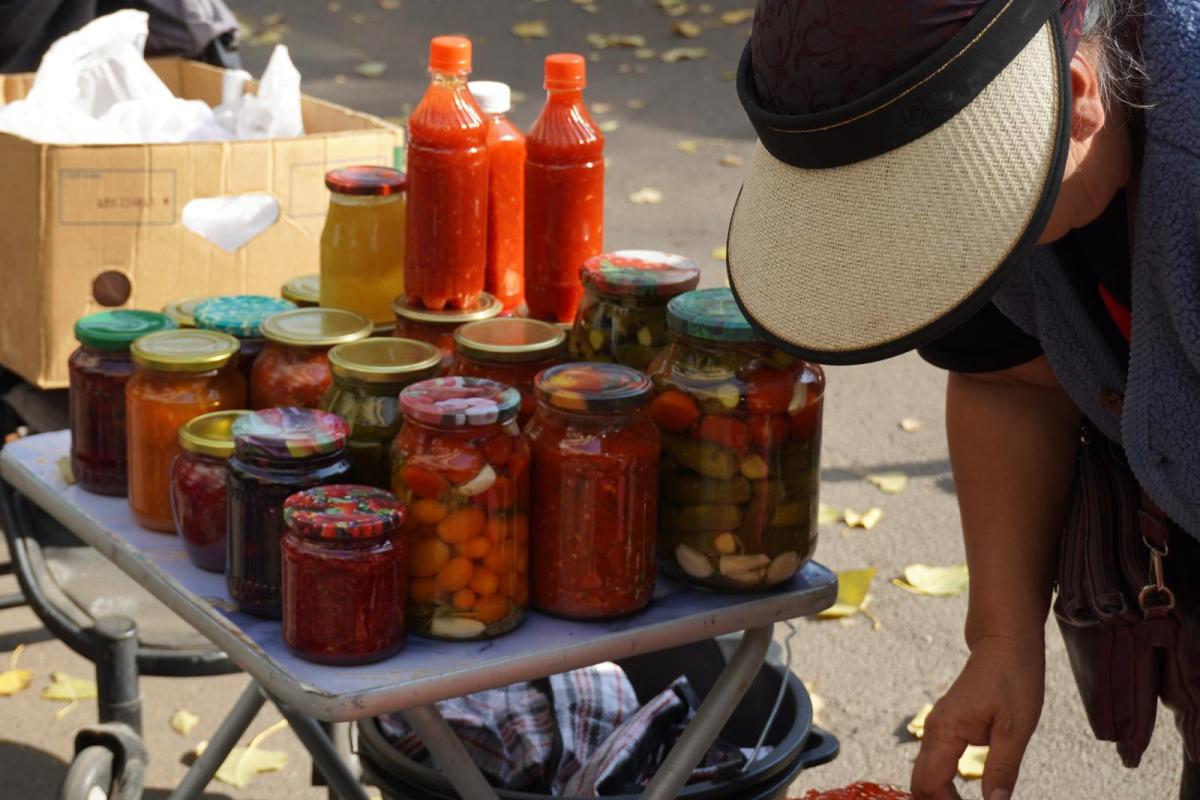
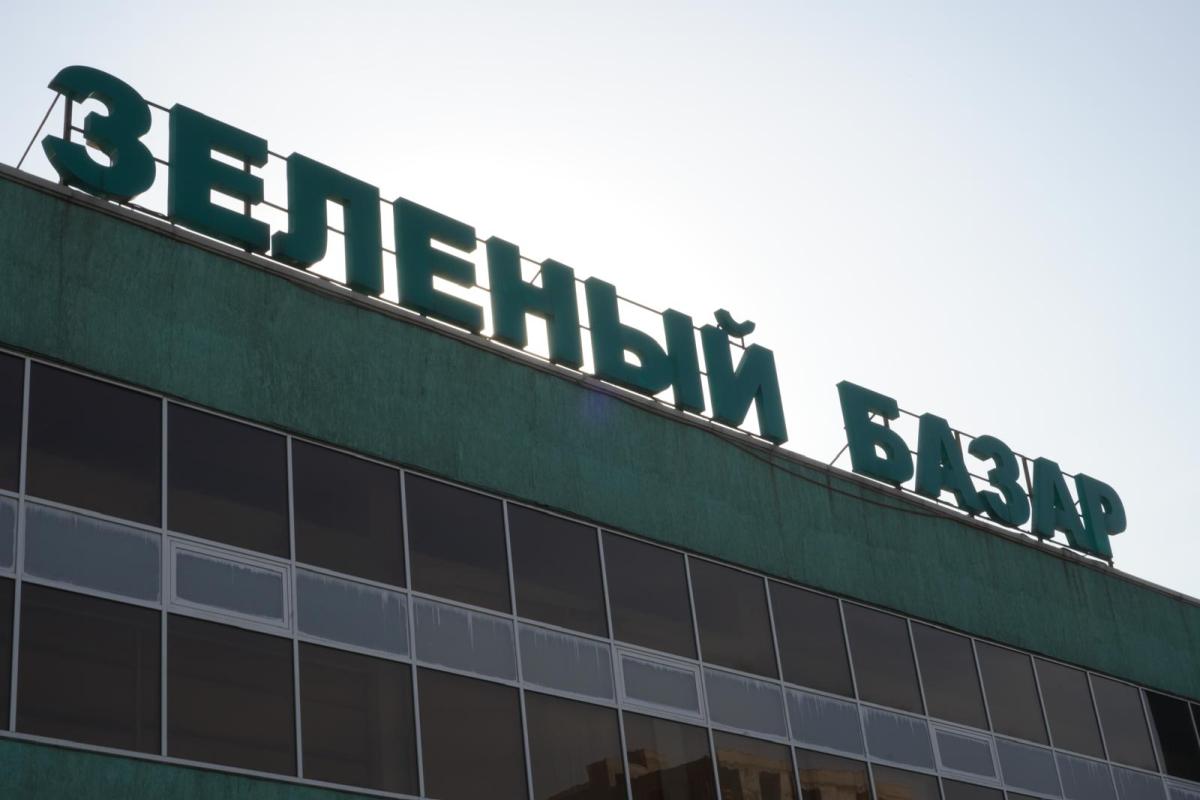
Heading down to the Green Bazaar, it was like a world I’d never seen.
Piled high were jars of every pickled vegetable, vendors selling every household item you could think of, from toilet roll to teapots, and butchers selling every part of their animals.
Whether it be snouts or trotters, nothing goes to waste.

While Kazakh is understood by many citizens, Russian is still the language of the street, shop signs and popular music.
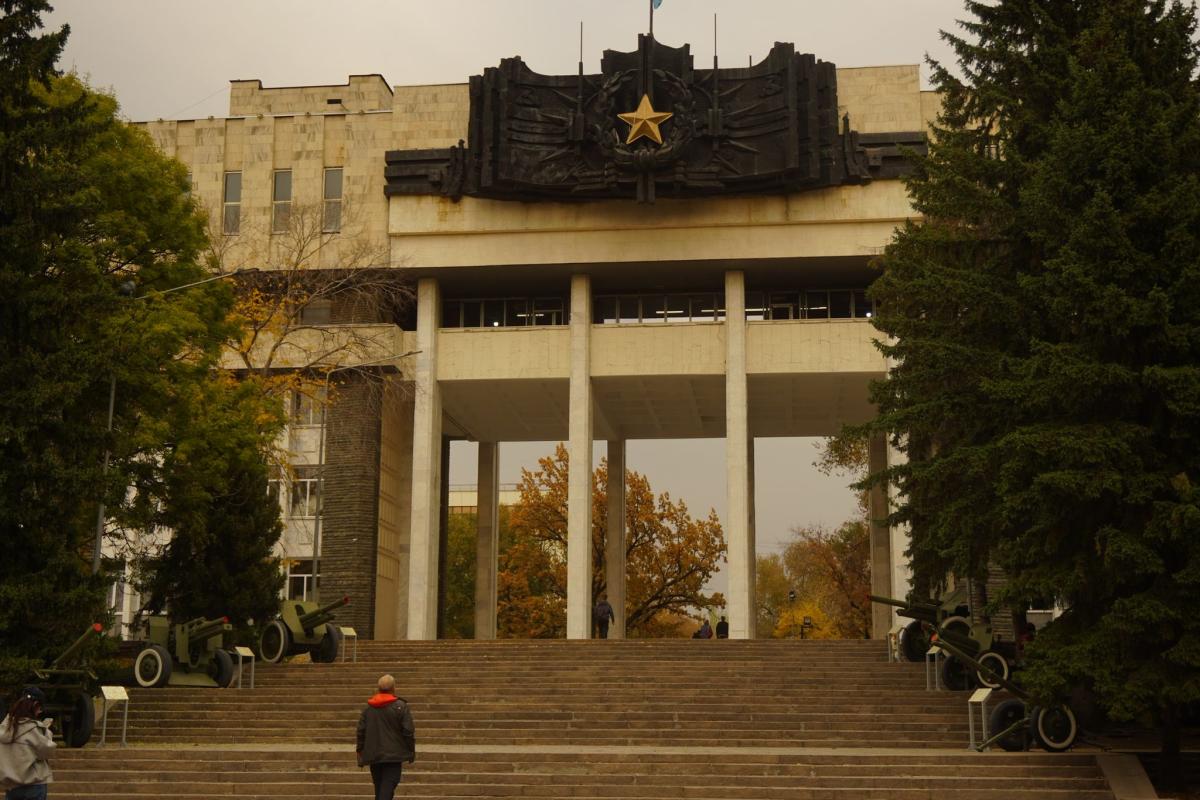
And while the country still maintains a strong relationship with Russia, modern art projects like those at the Almaty Museum of Arts offer a more bleak picture of its history, telling the story of the millions of Kazakhs who devastatingly fell victim to the health effects of Soviet nuclear testing.
At the Semipalatinsk site, more than 110 nuclear explosions were intentionally carried out between 1949 and 1963, and the testing did not end until 1989, just before the fall of the Soviet Union.

Surrounding Almaty are canyons and great lakes.
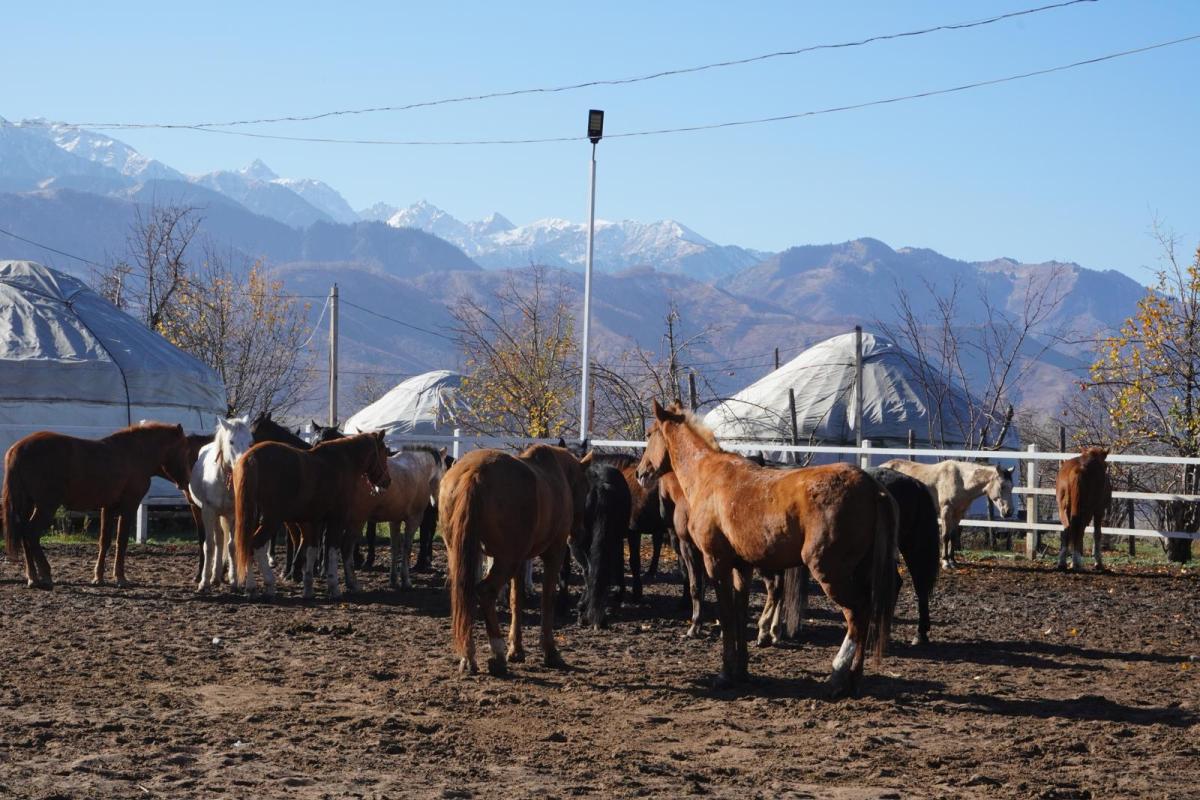
Drive just 20 minutes out of the city and you're met with the mountains, wild horses and cows. Taking a horse trek into the grassy fields, it's possible to see Almaty and a panoramic view of the mountains, but just don't bet on a safety brief or a helmet.
Uzbekistan
Tashkent, Samarkand and Bukhara,
As we sped past remote Kazakh villages on the 17-hour night train from Almaty to Tashkent, I felt as though I was looking into the past.
Almost half of Kazakhstan’s cars are 20 years old or more, and 1990s-style vehicles speed along the unlit roads.
Arriving in Tashkent, I thought it was a city that was hard to define; one moment it feels like Dubai, with shiny skyscrapers, the next like Washington D.C. for its white-house style government buildings.

But as you pass the Centre for Islamic Civilisation, you’re reminded unmistakably that this is a deeply Muslim country.
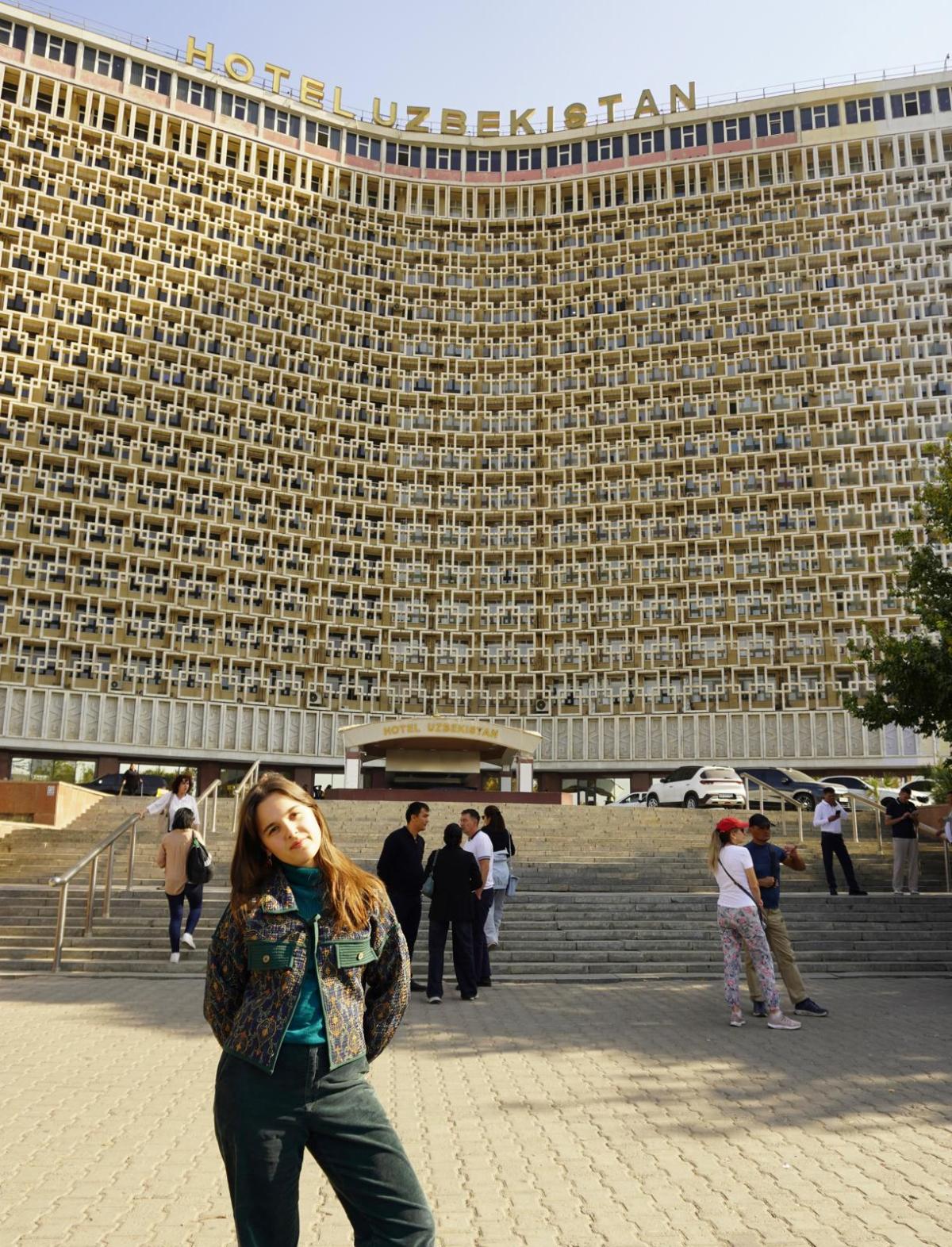
Gazing up at Hotel Uzbekistan, it looked like a Wes Anderson dream.

This Soviet modernist hotel was built for diplomats, and despite the smell of stale smoke inside, there's a certain charm about the building, which was always believed to be highly bugged by the KGB.
The roads of Tashkent are a sea of identical white Chevrolets, the result of post-Soviet industrial policy that fostered domestic car production through a government-backed joint venture with General Motors.
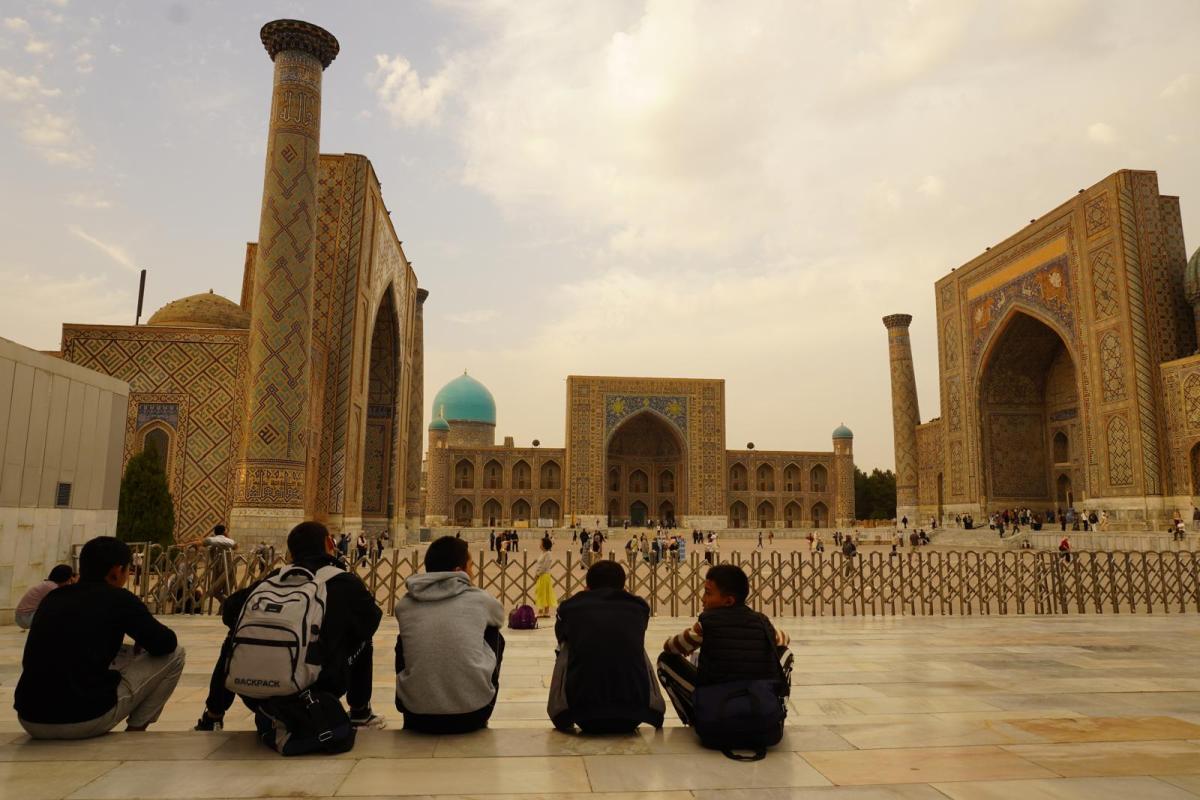
In Samarkand, often touted as the jewel of the east, is the famous Registan, a square which dominates the local landscape.
Built between the 15th and 17th centuries, it stands out as intimidatingly beautiful, and hosts a spectacular nightly light show, aiming to visually tell Uzbekistan and the region's history of empire.

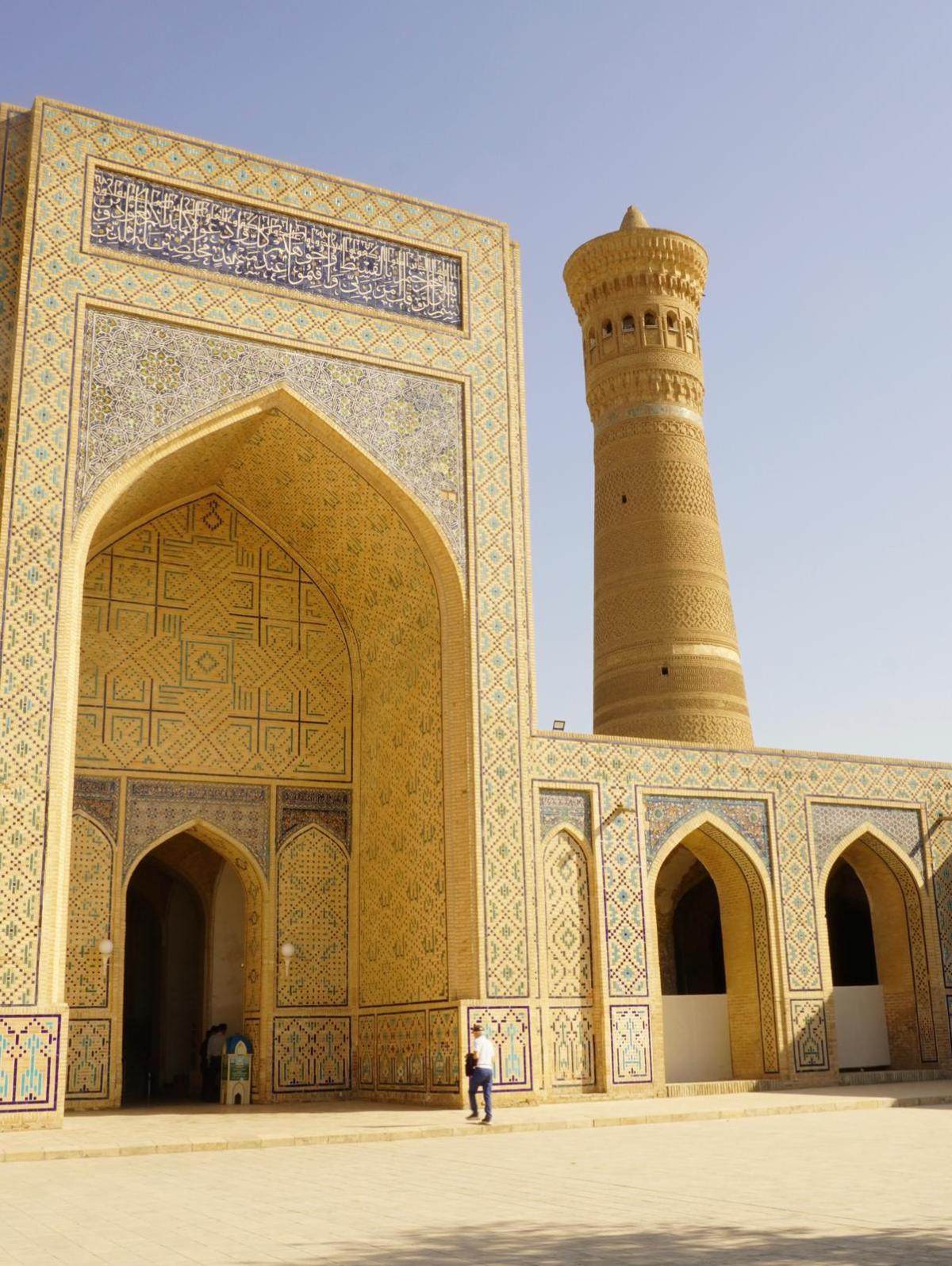
Even after seeing Registan, Samarkand was not finished showing me its beauty and every turn of my walk was filled with blue and green-tiled mausoleums and mosques.
Of course, a day in Uzbekistan is never quite complete without tea.
Filled with loose leaves and juicy fruits, brews of every kind are offered until late at night, a very enjoyable part of local culture.
Travelling east, the final stop of my Uzbekistan trip was Bukhara, one of the oldest cities of the former Silk Road and a UNESCO World Heritage site. It is considered to be the holiest city in Central Asia, with a history spanning over 2,000 years.

In Bukhara, street artists display beautiful pottery and paintings, and women sell cashmere scarves, often embroidered with pomegranates, the national symbol.
To Uzbeks, the tightly packed pomegranate seeds symbolise love and the closeness of family, and this sweet fruit can be drunk fresh, thanks to men and women operating manual fruit juicers on every street.
This Autumn, the city is hosting the Biennale art exhibition, considered one of the largest and most significant in the world, giving Uzbek artists an opportunity to share their work with the world's visitors.

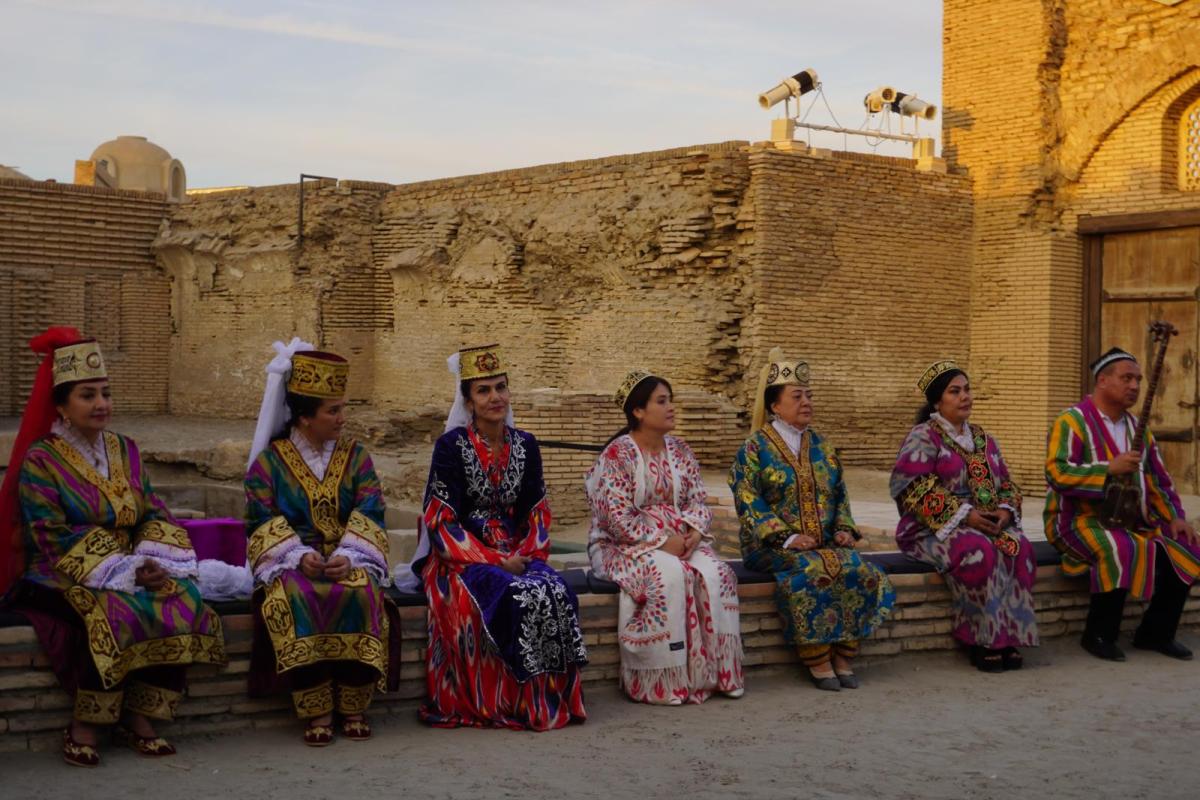
During my visit, I was even treated to a traditional Uzbek music (Shashmaqom) performance, which ended in audience members being asked to dance with the musicians.

It wouldn't be right to visit Uzbekistan and not give mention to Plov, a traditional meal of fragrant rice, vegetables, meat and spices. A dish so popular that by 5pm, it is sold out on every restaurant's menu.
When I finally got my hands on a plate of it, I understood the hype. It was sweet from the caramelised carrots, rich from the tender meat, and the mountainous portion, was more than satisfying.
Kyrgyzstan
Bishkek
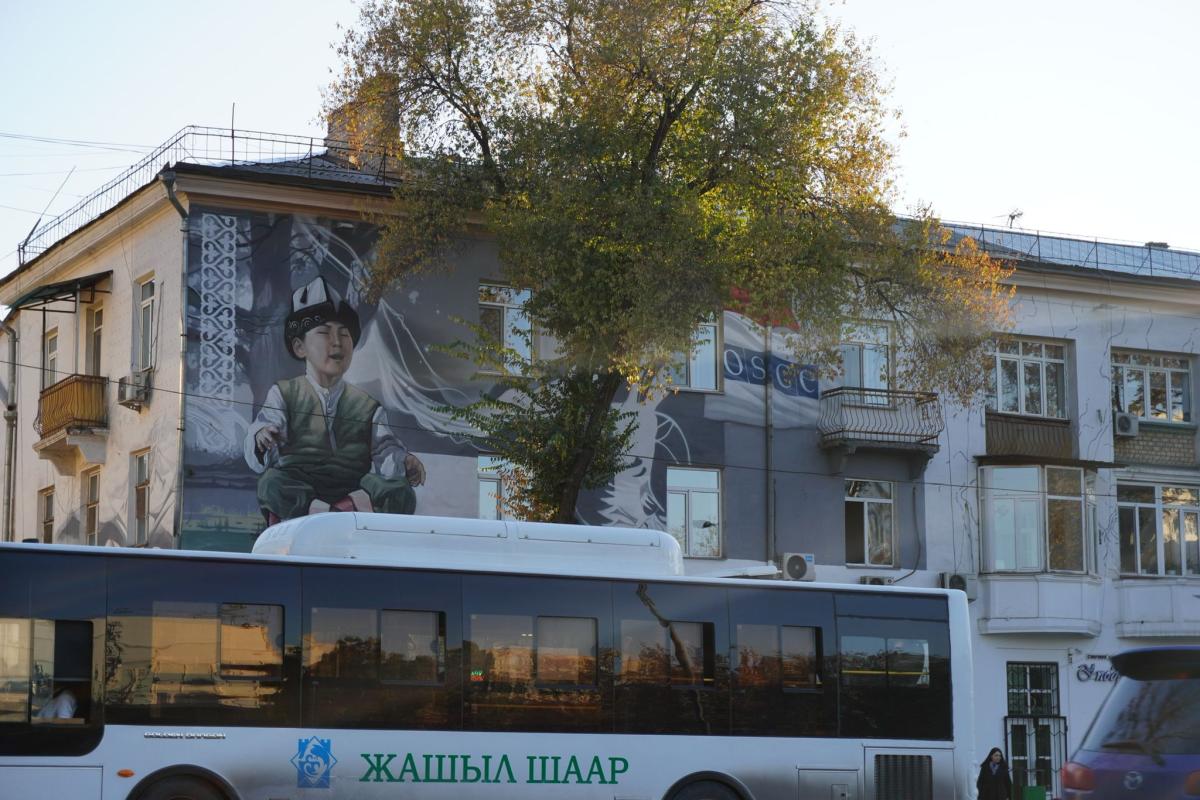
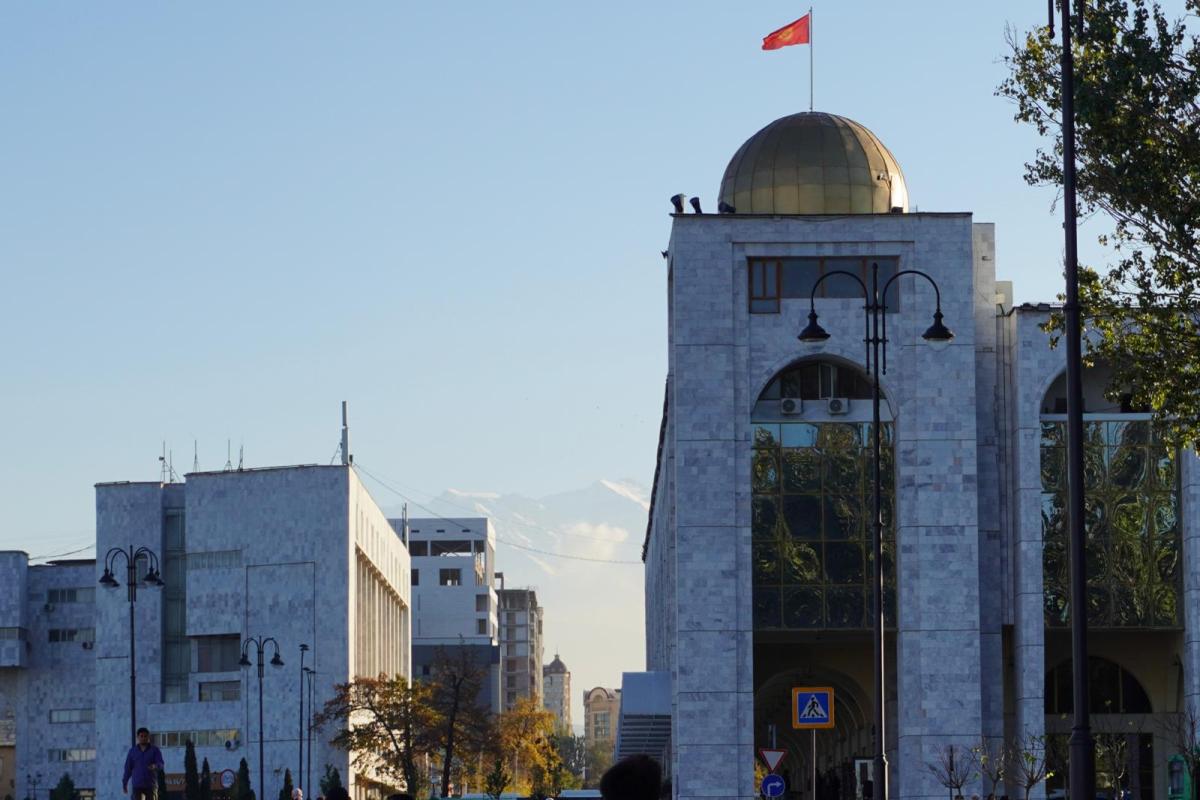
Bishkek, the capital of Kyrgyzstan, lies near the Kyrgyz Mountains and is considered to be one of the most post-Soviet looking cities in the former union.
The trip to this city was fleeting; it was a long day of travelling by bus from Kazakhstan.
Arriving at the Soviet-style Sairan bus station and handing over cash for my 3,400 tenge (£5) ticket, I followed the signs, all written in cyrillic, to the appropriate stance.
The journey to the border was around three hours and crossing the land border, I was greeted by a 'zdravstvuyte' hello from a straight-faced Kyrgyz border guard.
While I was only afforded one day in the capital, I made sure to get my steps in.

Bishkek's neobrutalist Ala-Too square is both grand and vast, but wander inside the State History Museum and you will learn of the nation's nomadic cultural tradition and the significance of the 'yurt,' a wooden hut home, designed to be portable.
The museum showcases archaeological collections, including Bronze Age tools, Saka jewellery, artefacts from tribes, and traditional Kyrgyz textiles, costumes, and embroidery.

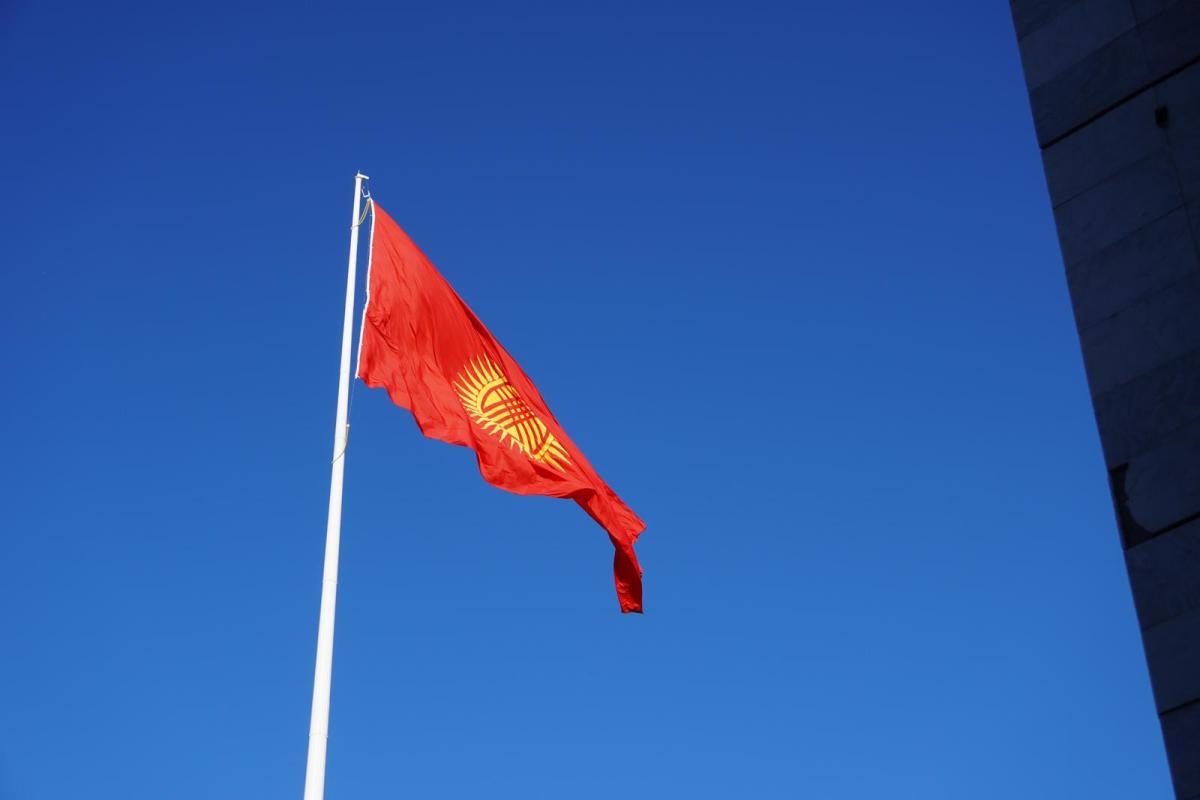
Bishkek's flagpole, with its contemporary flag, stands at a whopping 100 metres high, and in the wind, the flag appears so large that it seems to blow in a slow-motion trance.
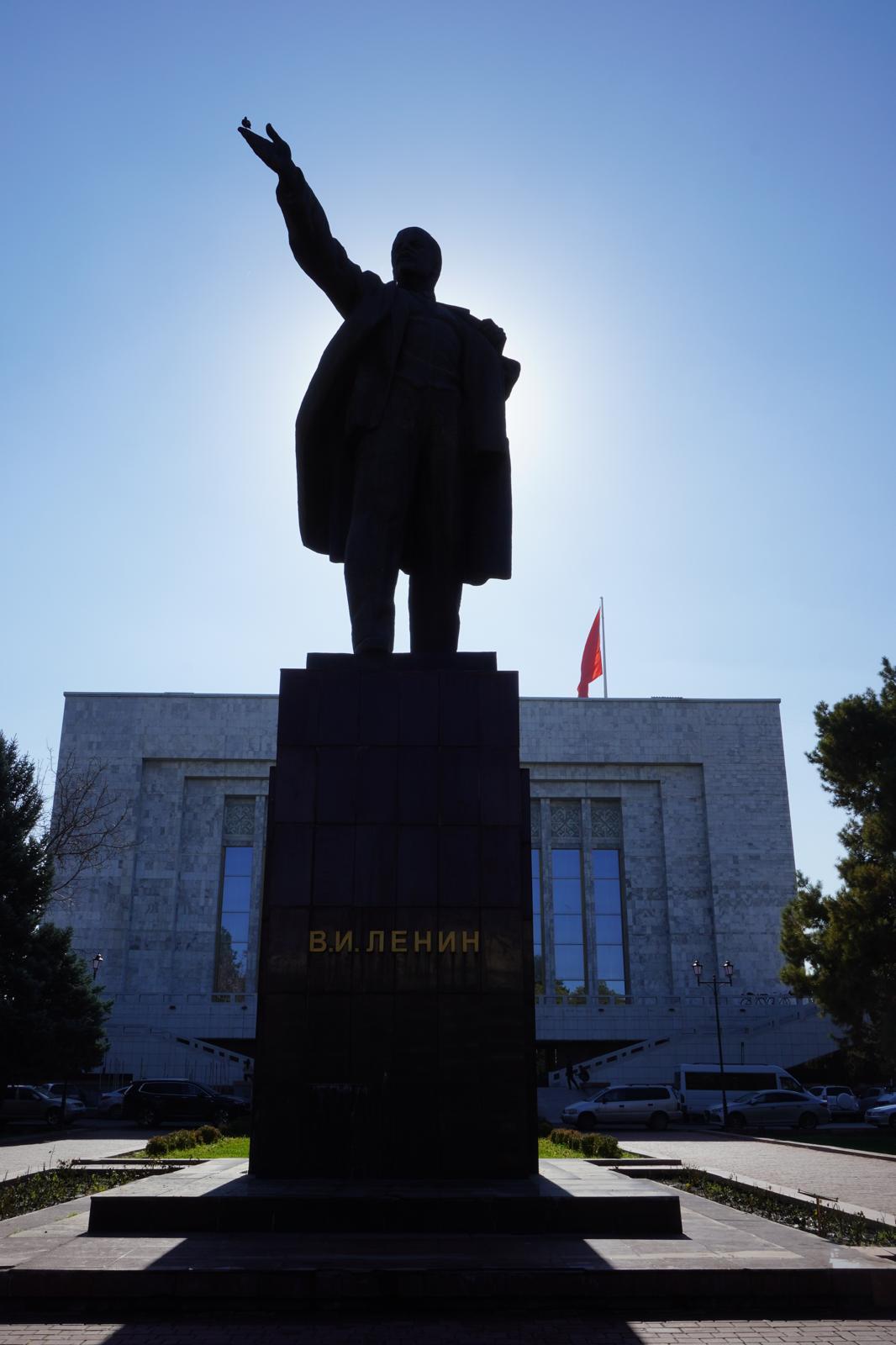
Despite it being a point of contention after Kyrgyzstan gained its independence, a statue of the Bolshevik revolutionary, Vladimir Lenin, still stands proudly in the city centre.

When visiting Bishkek, you may receive a complimentary shot upon sitting down in a restaurant, and if fermented horse milk is your thing ... you'll love it.
For me, the opaque white liquid and sour taste made it a beverage that, in future, I think I'll avoid.

While Central Asia might not be your holiday destination of choice this year, for me it was a culturally vibrant, historically interesting and beautiful place.
For prospective travellers, the journey was completely comfortable, only a five hour flight from Edinburgh to Istanbul and another five to Almaty.
Despite their shared Soviet roots, Kazakhstan, Uzbekistan and Kyrgyzstan are three unique states whose cultures, landscapes and people defy the stereotypes often associated with the region.
While I'm disappointed to have missed Tajikistan and Turkmenistan on my short trip, I think ticking off the latter is a distant dream, due to its informal label as the North Korea of Central Asia!
Travelling through these nations, I found a part of the world well worth exploring.


Share