




Talks with the council over plans to relocate 'artwork' from outside a Dalgety Bay home broke down after the artist took offence to a picture used by a national newspaper.
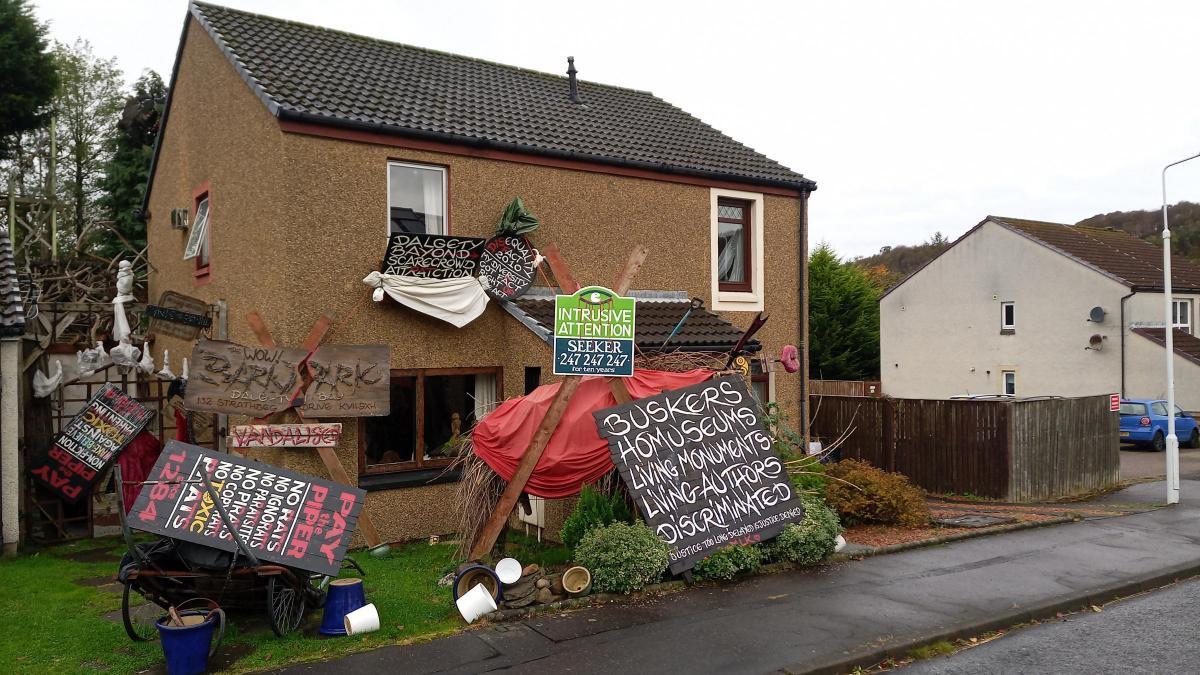
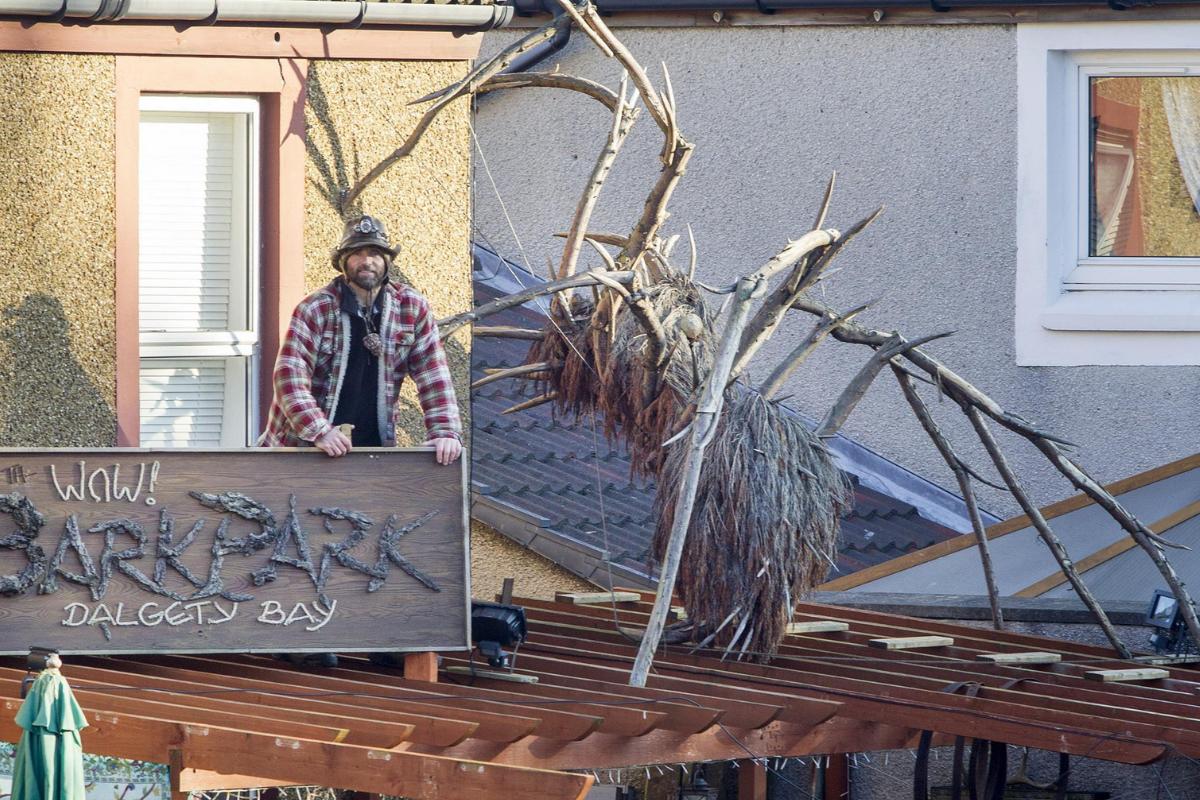
The controversial Strathbeg Gardens property - labelled Bark Park by owner Denis Carbonaro - was initially home to a number of wonderous and creative sculptures which drew crowds from all over, but the display later descended into chaos with seemingly random objects left lying around in the garden.
And after neighbouring residents expressed anger that some items could be a fire risk, Mr Carbonaro and agreed to “explore” the possibility of moving the items elsewhere.
After consultation with local councillors David Barratt, Sarah Neal and Dave Dempsey, Denis conceded that the Bark Park would “conclude” in its current form and the potential for relocating it to a suitable public space would be looked at.
Now, Cllr David Barratt has revealed why discussions between councillors and Bark Park have ended.
He told the Press: “I would say, communications between councillors and Bark Park have ended, broken down, due to unwillingness to compromise in any way.
“He's repeatedly going over old ground and raising things that are well beyond the remit of councillors and have any ability to resolve.

“Essentially, we had tried to find an alternative avenue for him to express himself and to display the work and do something a bit more productive for the community.
“He keeps harking back to perceived wrongs from almost a decade ago, including the Guardian publishing a photo as part of the Fringe Festival on the Royal Mile.
“He says that because he wasn't credited, he deserves an apology, as if that has any bearing on today.
“We're unable to continue discussions with him on that basis.”
The Press understands that a neighbouring property to Bark Park, which had been on the market for sale for some time, has now been sold.
Speaking on the sale of a neighbouring property, Mr Carbonaro said: “I understand the house has now been sold. The new owners are a courteous and pleasant couple, and we are already on good terms.
“I anticipate a positive and respectful neighbourly relationship going forward.”
Commenting on the discussions with the councillors, Mr Carbonaro has also revealed the matters he felt needed to be addressed.
These include the publication of a photograph of his mascot and organised visits from groups to see his artwork.
He said: “I would like to respond directly to the statement that communications have broken down 'due to an unwillingness to compromise in any way.'
“Over the past year, I have been in sustained and documented contact with Fife Council, including three councillors and Cllr Barratt himself.
“This included three face-to-face meetings (two of them at Bark Park) and a year-long WhatsApp group discussion in which the issues now described publicly were examined in detail.

“Communications have not broken down due to refusal to engage. Rather, before any further face-to-face meeting, I made clear that two specific and symbolic matters needed to be addressed first, as they represent core ethical concerns underpinning the wider dispute.
“The first concerns the use of my work during the 70th anniversary of the Edinburgh International Festival in 2017. My busker-created mascot, Haggis, was selected to symbolise that anniversary on the front page of The Guardian (August 11, 2017).
“This was not incidental use of an image. It was a highly visible, celebratory editorial choice tied to a major cultural milestone. Yet the creator’s name was omitted.
“My work was deemed valuable enough to represent Scotland on a national front page, but my authorship was rendered invisible at the moment that symbolic value was extracted.

“Cllr Dempsey has already contacted The Guardian regarding this matter, and we are awaiting a response. Given that the 80th anniversary approaches next year, and that I am preparing a new mascot, it is important that this unresolved issue is addressed before any repetition of the same omission can occur.
“The second matter concerns four organised Rainbow group visits to Bark Park over two consecutive days (around 80 children). These visits were formally booked, hosted, and concluded with an explicit donation moment. No contribution was made by organisers or families.
“This was not about children, but about adult responsibility. It represents organised use of my work without reciprocity.

“I have therefore stated that a public acknowledgment or apology from the organisers and families would be an appropriate first step toward restoring balance.
“These two matters are not peripheral. They are symbolic examples of a broader pattern in which creative labour is treated as decorative, available, and without reciprocal obligation. Once these are constructively addressed, I remain willing to meet face to face and continue discussions.
“More broadly, for years my private residential home was treated as if it were a public attraction, resulting in sustained intrusion and loss of privacy.
"Bark Park functioned as a visible symbol for the area so long as it remained compliant and silent. When I raised concerns about consent, authorship, and boundaries, the atmosphere shifted.
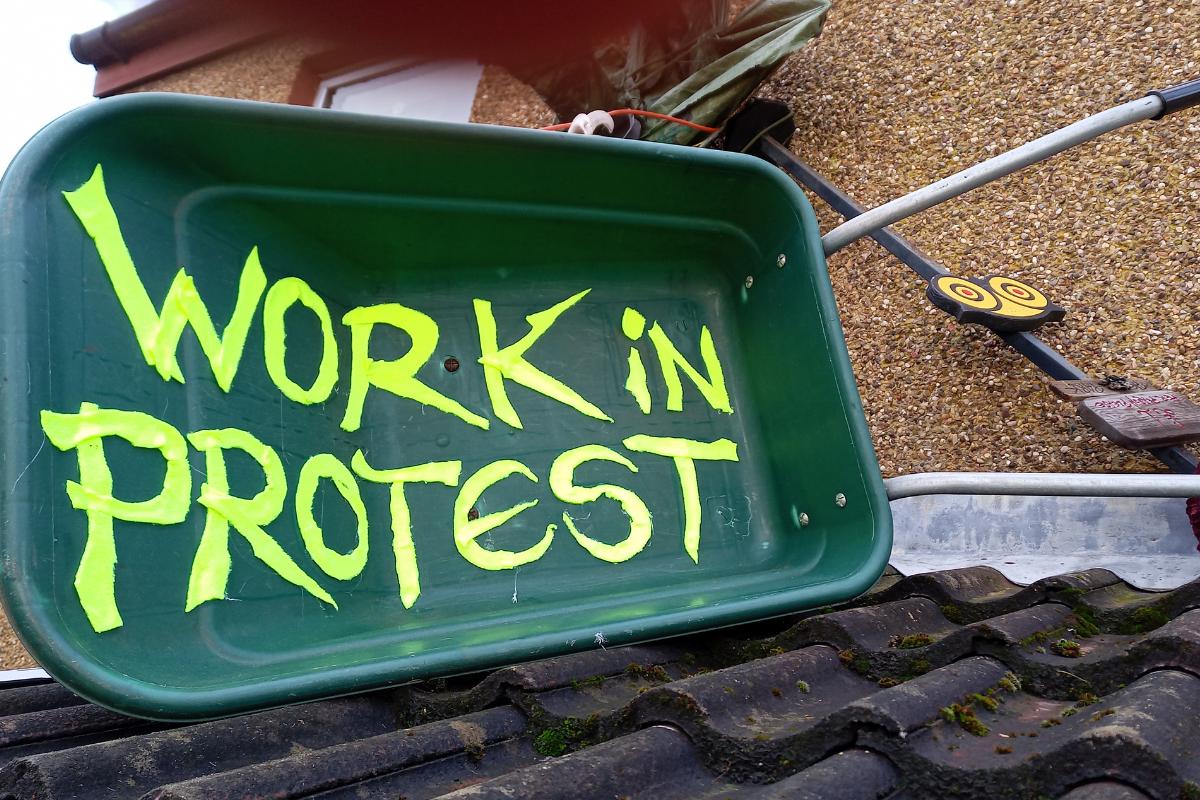
“As part of this ongoing protest, I have installed a new visible element at the front of Bark Park reading 'WORK IN PROTEST'."

Share