




Despite their name, the Demon Ladies of Dunfermline are not actually quite as sinister as they sound.
It was the name given to a group of women in the 1940s who were employed by the Women’s Gas Federation to demonstrate to others how to use gas cookers, stoves and other gas-powered home appliances safely.
The word demonstrator was shortened to demon, and the name stuck.
The Demon Ladies became a very influential pressure group, campaigning not just on local but on many national issues affecting women.

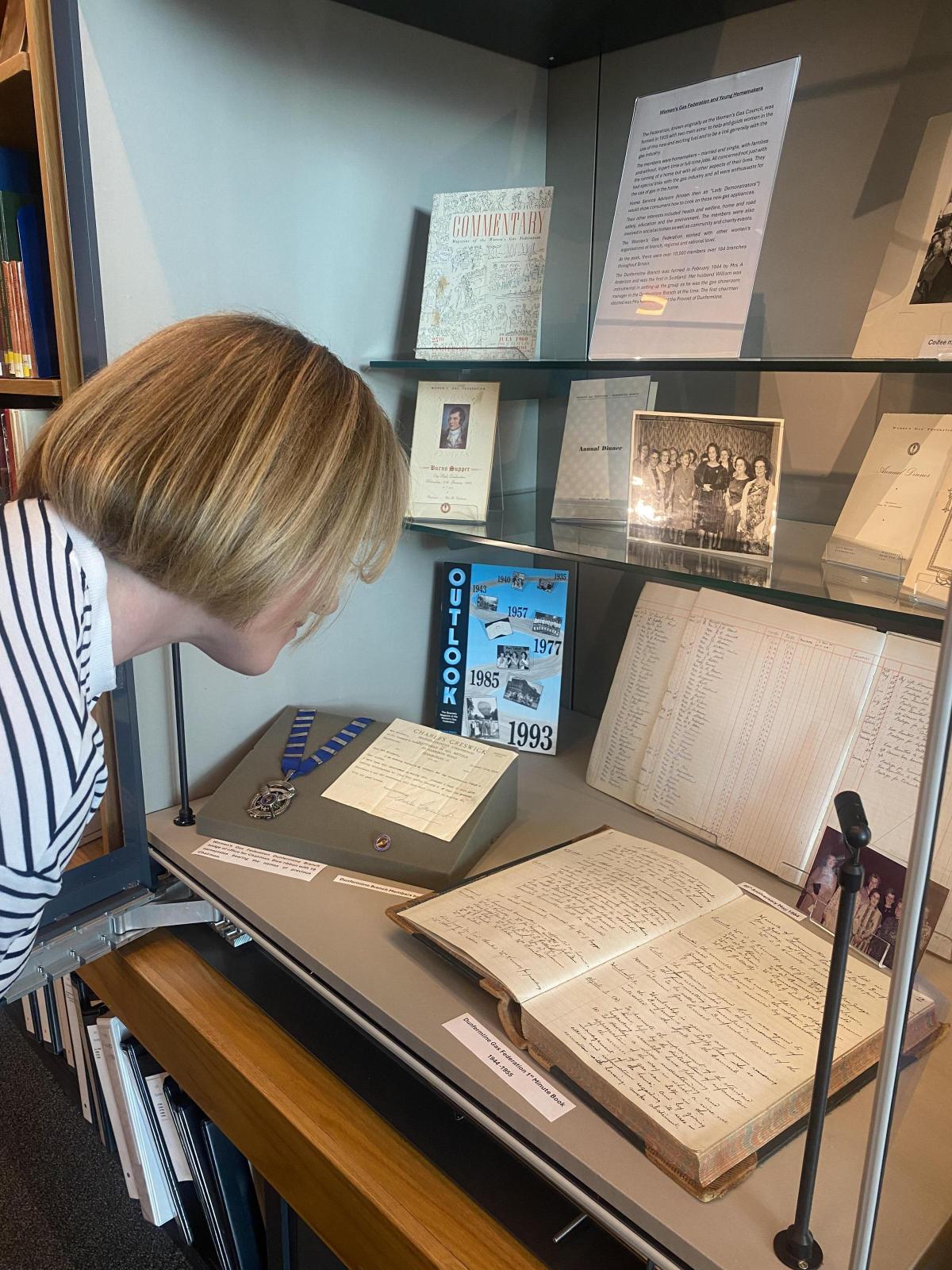
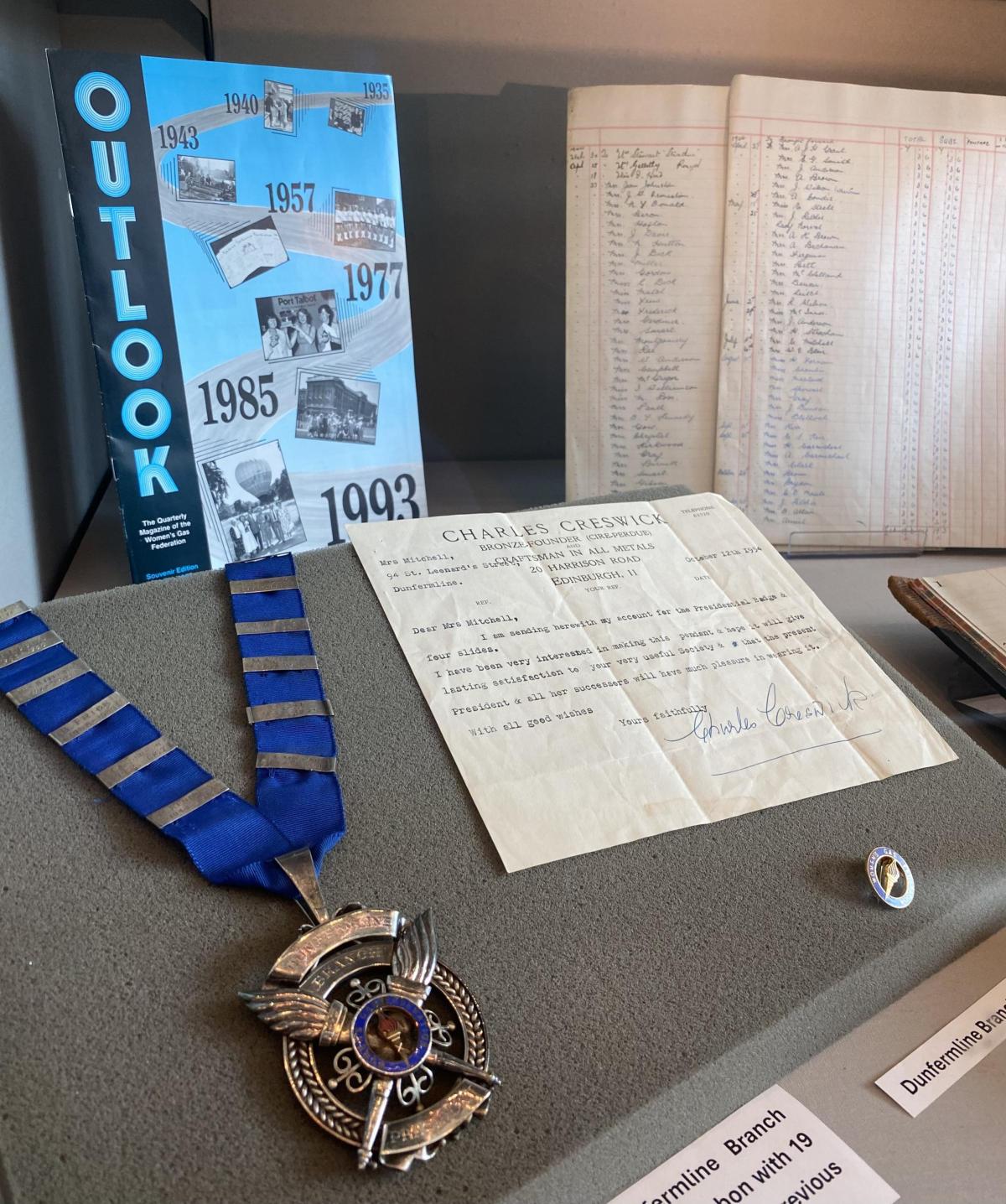
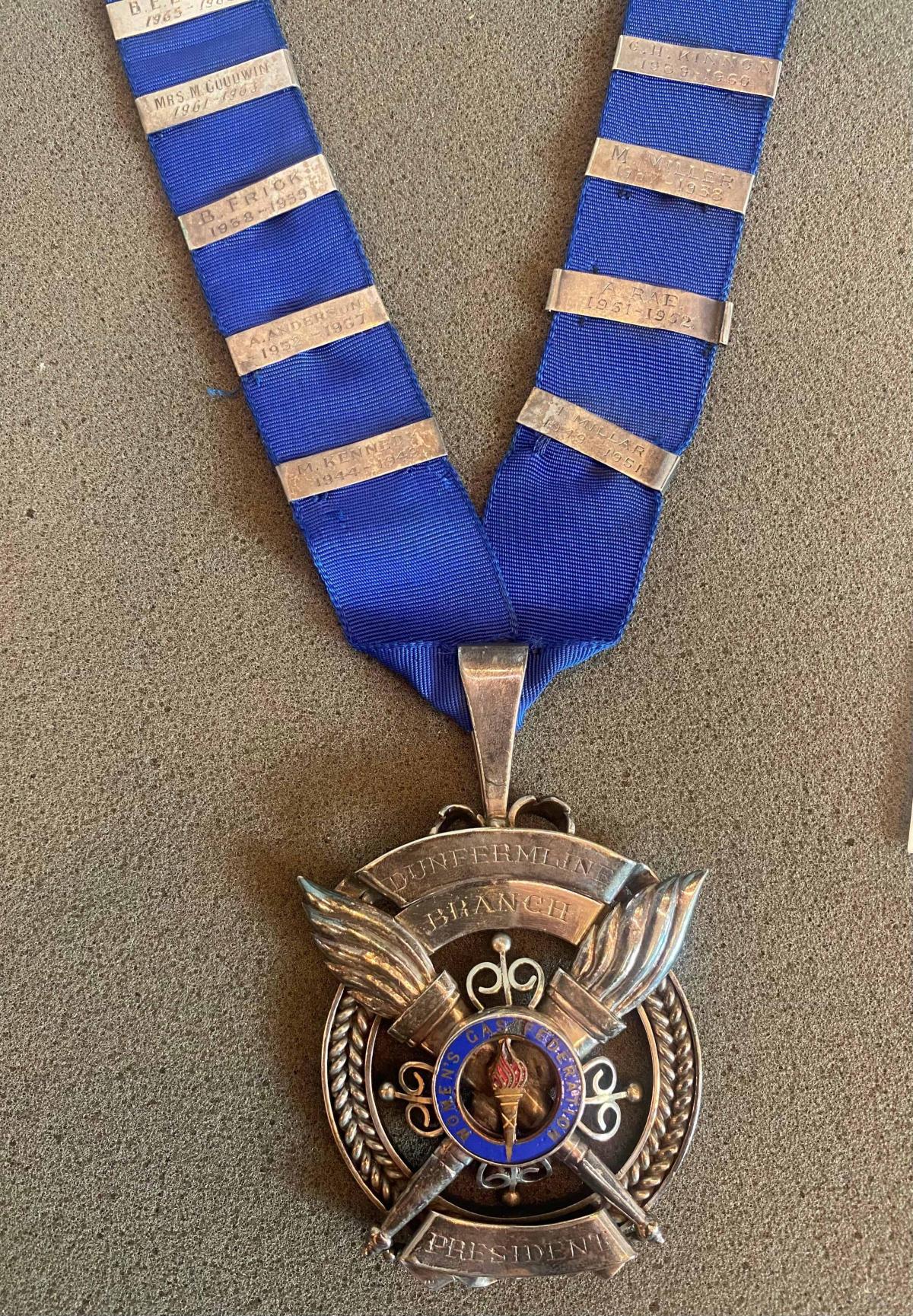
An OnFife exhibition highlighting their important work is currently on display in the Local History Collection Room at Dunfermline Carnegie Library & Galleries (DCLG) until April 30.
It includes information on the members of the group, their role in society, their charitable work, the difference they made to their town and lots more.
The Demon Ladies were also members of the federation, which was based at 4 Canmore Street, not far from where DCLG is now.
Many were wives of councillors, provosts and other prominent businessmen in the town, while others were teachers.

The Dunfermline branch of the federation ran from 1944, giving it the honour of being the first in Scotland, and was only disbanded in 1991.
Back in the 1930s and 40s there was a huge boom in people’s buying power as lower bank and mortgage interest rates left more disposable income. This led to an increase in demand for household appliances, including gas cookers.
However, many people believed the new gas stoves which were appearing in the shops were dangerous and there was a distrust around their use.
In a bid to dispel the danger myth and encourage people to introduce them into their homes, gas and stove manufacturers employed women to perform public demonstrations of the stoves at trade and other exhibitions in their local areas.
Most of the Dunfermline branch’s exhibitions and demonstrations were given in its Canmore Street hub, but members also went out to homes to help teach women to use the cookers and stoves in their own environment.
As well as their practical purpose, the ladies helped pave the way for the future employment of women who were, at the time, well outnumbered by men in the workplace.
They also became an important pressure group, campaigning for women’s health and wellbeing and taking a stance on other nationally important issues such as water pollution, equal pay and medical and health advancements.
In leaflets from the time, the federation’s aims were: “To promote the improvement of the standards of home life by the distribution of information regarding scientific home management, to develop a wider understanding and appreciation of the way in which a wise use of the service of gas can help in the management of the home and to give advice and information regarding its uses in connection with housing smoke abatement, child welfare and the health of the community generally and to arrange exhibitions, lectures and demonstrations in the furtherance of these objectives.”
Sharron McColl, local studies supervisor at DCLG, said: “This is an amazing social history of the ladies from Dunfermline and it was also quite outstanding to see the local charities the group supported even in the early days of the branch in the 1940s.
“Not only do we have items from the collection on display but interesting sets of notes covering the history of the branch.”


Share