




There will be a lecture in the Canmore Room of Dunfermline Carnegie Library and Galleries on Friday May 15, at 2pm titled ‘The Search for the Lost Baggage Ferry of King Charles 1st-A True Adventure Story’.
Presented by Ian Archibald it will tell the story of the project to discover the boat, ‘The Blessing of Burntisland’, that sank in the River Forth during the Scottish Coronation tour of King Charles 1st in July 1633.
The first two photographs in this week’s trip down West Fife’s Memory Lane feature Pittencrieff House.
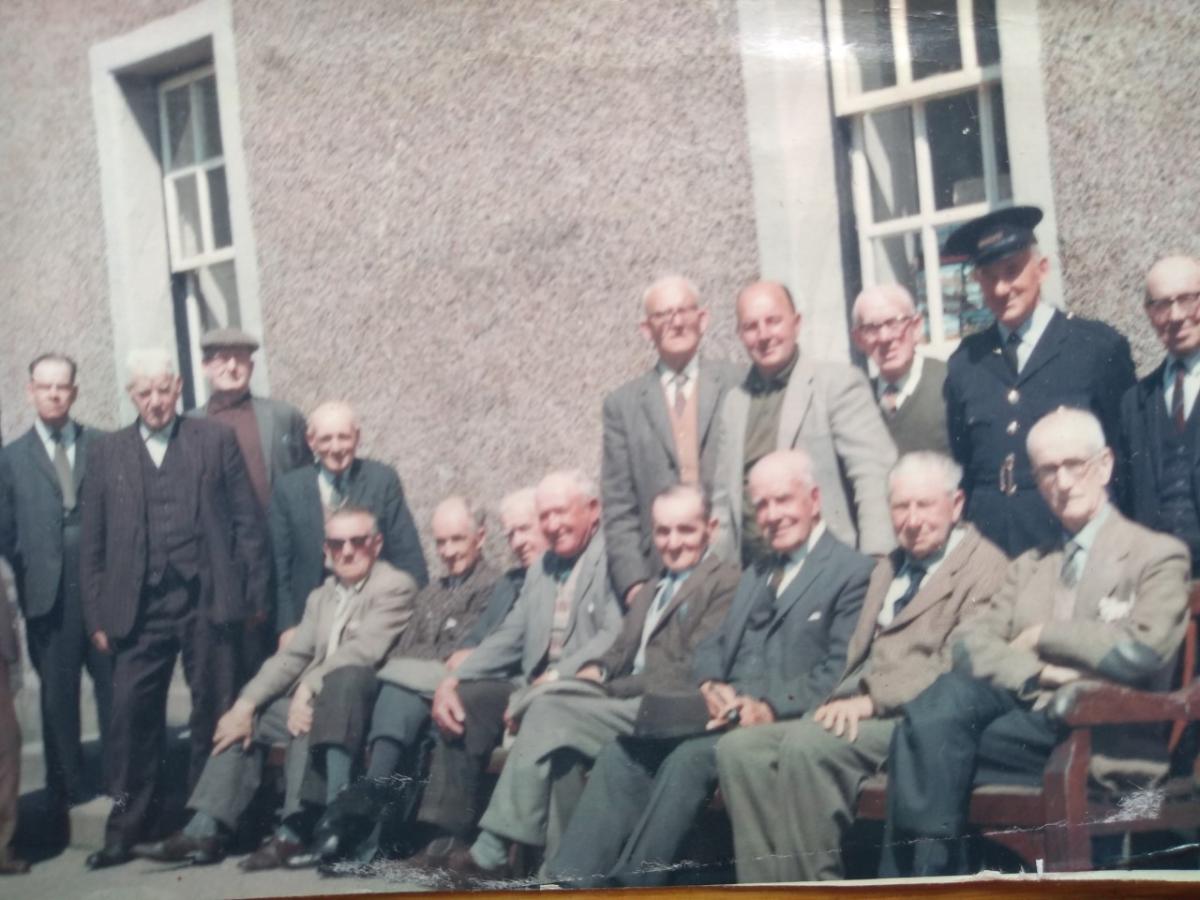
The first one taken in the 1960s/early 1970s shows members of the ‘Old Boys Club’ gathered at their base in Pittencrieff House which was gifted to them by Andrew Carnegie.
Over the centuries previously, since the house was built in 1610, various Lairds (or owners) developed the house with additions being made to suit their specific needs.
In 1902, when Andrew Carnegie purchased the estate from the last Laird, Col. Hunt, he immediately charged his Trustees to open the estate up to the townspeople of Dunfermline and this was recognised as Carnegie’s greatest gift to his hometown.
Within his directions, Andrew Carnegie requested that the ground floor of Pittencrieff House be given to the old men of Dunfermline as a place to gather to enjoy each others company, read the newspapers, play board games and generally reminisce about their younger days.
This operated very successfully until, in the 1970s, the Carnegie Dunfermline Trust saw other uses for the ground floor and the Old Boys Club then relocated to a room in the nearby Glen Pavilion.
The organisation ‘The Friends of Pittencrieff Park’ later made use of this room before relocating to the glassroom in the hothouses next to Pittencrieff House. The Friends installed a bench in front of the house to commemorate the ‘Old Boys Club’ which was officially wound up in 2010.

Our second photograph from the early part of the 20th century shows a group of the old men pictured outside the house.
Our final image is an old postcard from around 1907 with Pittencrieff House and an aviary to the west of it.

Eileen Carrick remembers a later version of the aviary: “I remember the aviary in the Glen. Beautiful birds displayed in glass cases along the wall in the Victorian taxidermy style. I’ve never seen real humming birds, only the ones displayed there. Billy the cockatoo used to take your pennies and saved them for charity. I remember being intrigued by the brass instrument in the house that used to measure air pressure. I didn’t understand what it did but it just looked amazing!”
Gillie Kilner also remembers the area: “I also loved going to see Billy in the aviary. The Glen was my garden when I visited my grandparents who lived on Chalmers Street”

Tickets for the lecture are available from the Carnegie Hall box office on 01383 602302, from Eventbrite and online at Onfife.
More images like these can be seen in Dunfermline Carnegie Library and Galleries as well as at facebook.com/olddunfermline


Share