


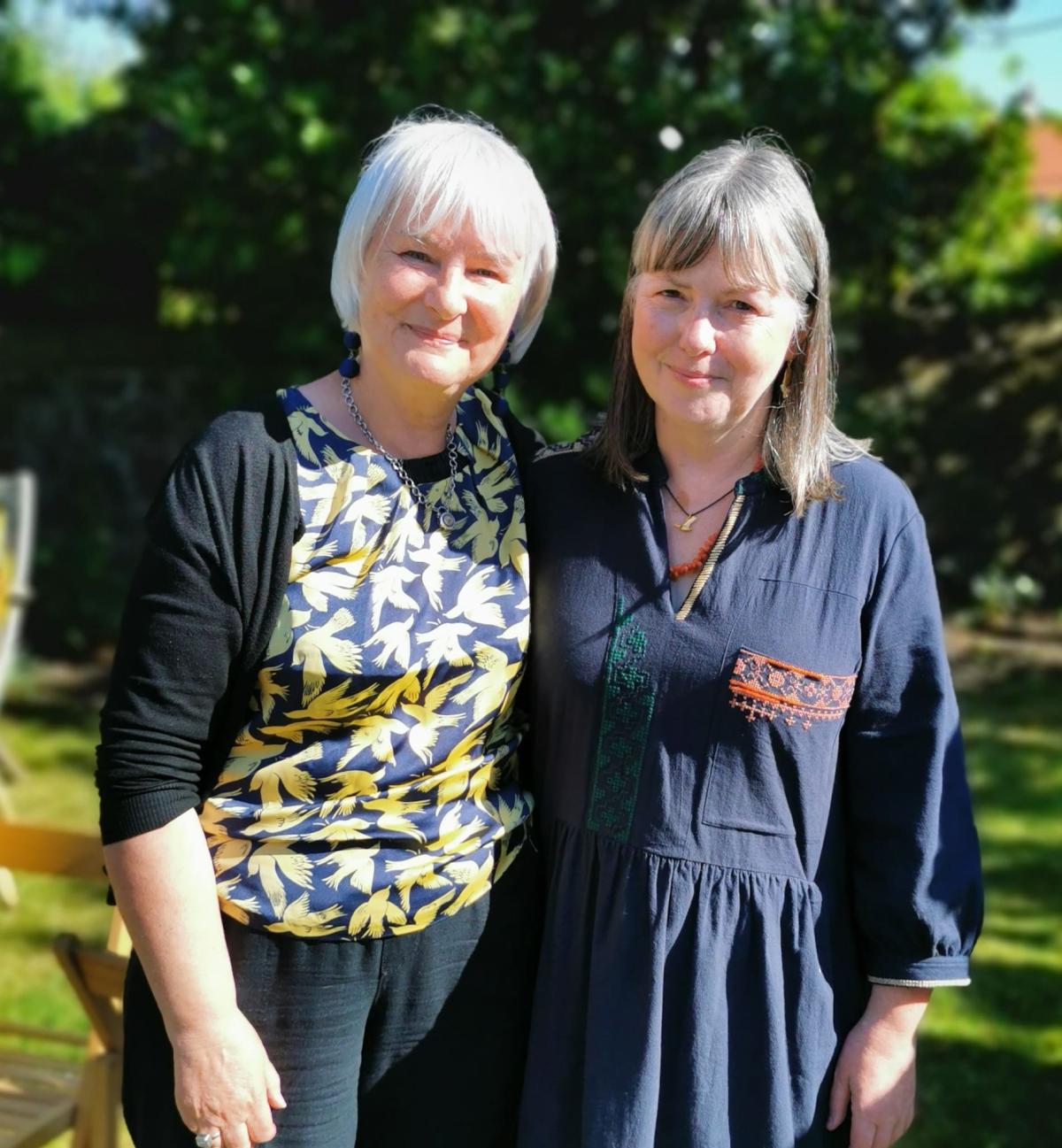

A Dunfermline woman has tracked down three activists who were part of the Rosyth Women’s Peace Camp at the height of the Cold War.
Ahead of International Women’s Day for Peace and Disarmament, on May 24, and 43 years after the group was created, they have decided to share their story.
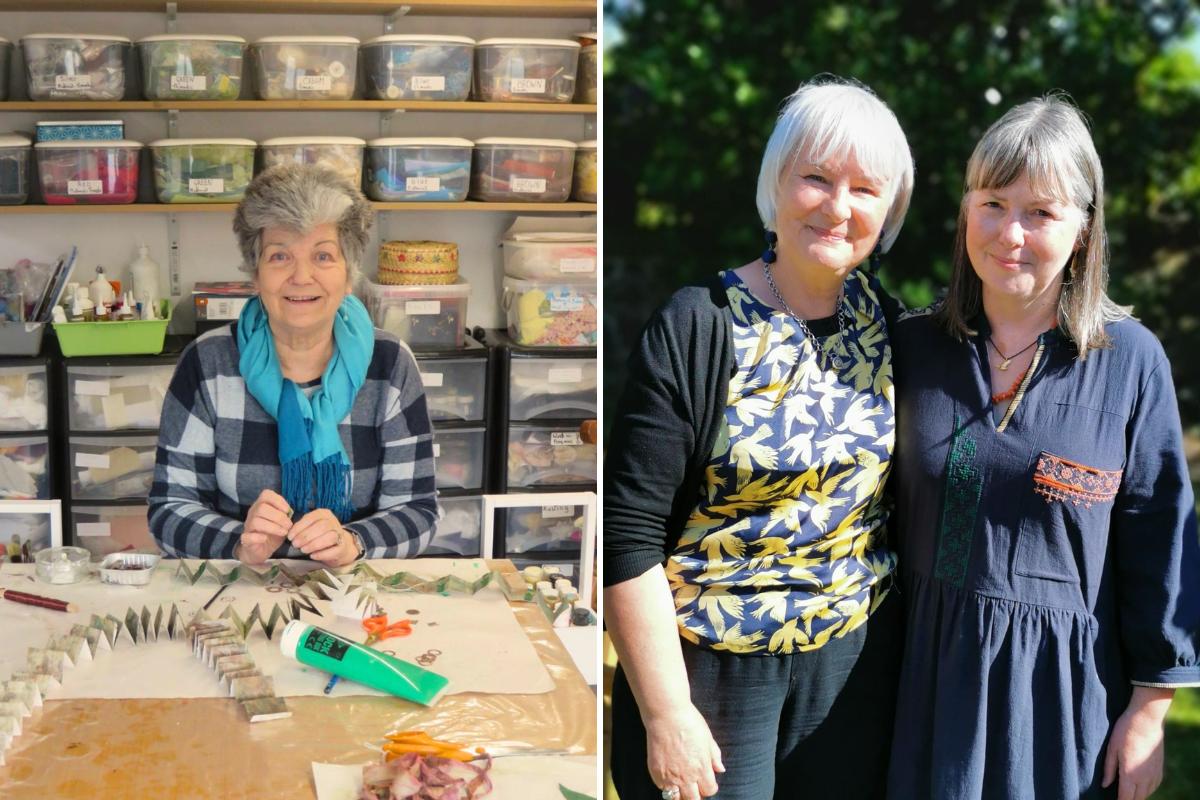
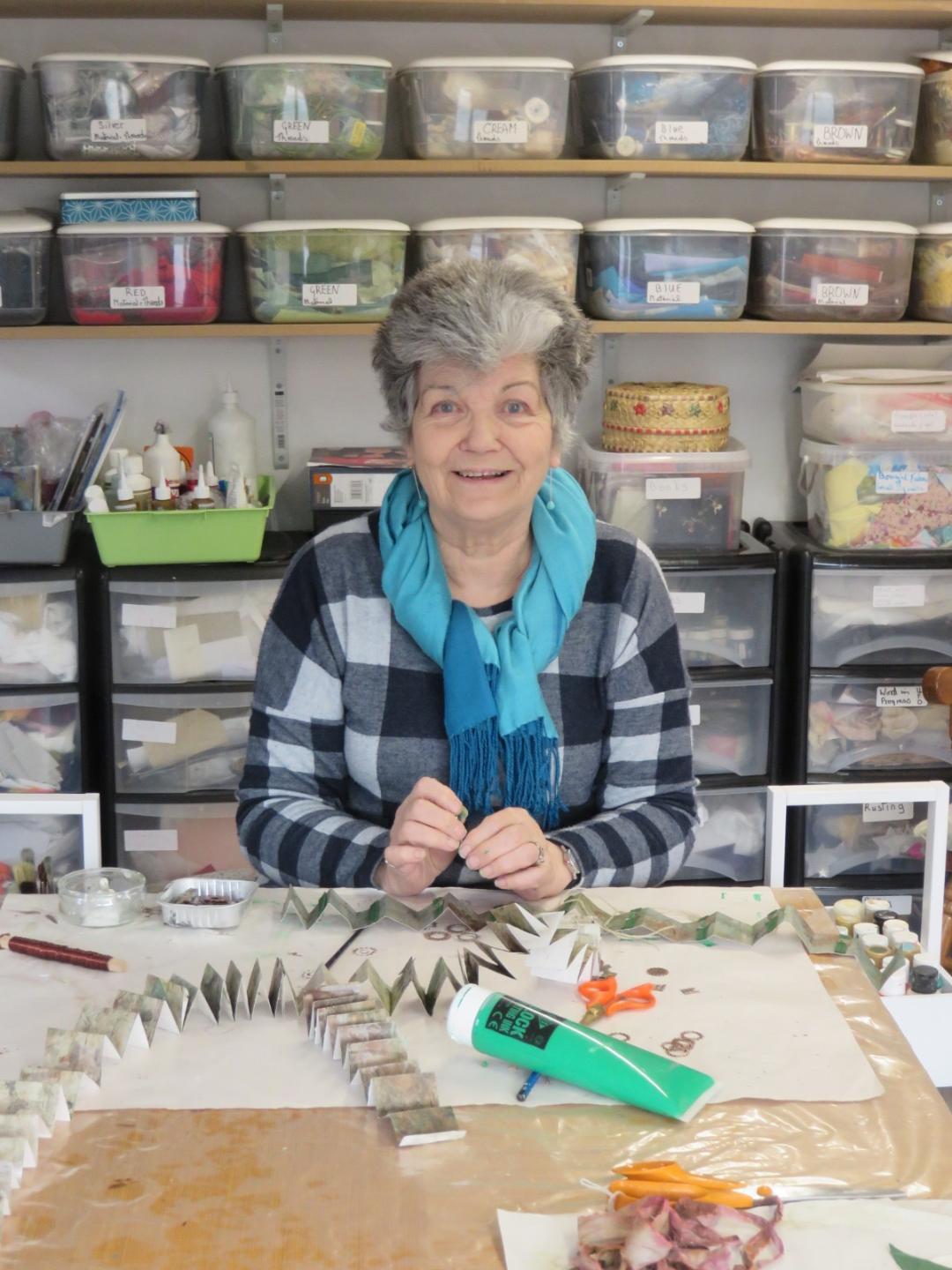
Lesley Ratomska connected with Maureen Shepherd, from Dunfermline, and Chris Brodie and Nicola Wood, both from Edinburgh, after discovering coverage of the camp in the Dunfermline Press archive two years ago.

Lesley created a display in Rosyth featuring articles about the camp and, having become invested in the protest, went on to track down three of the women involved.
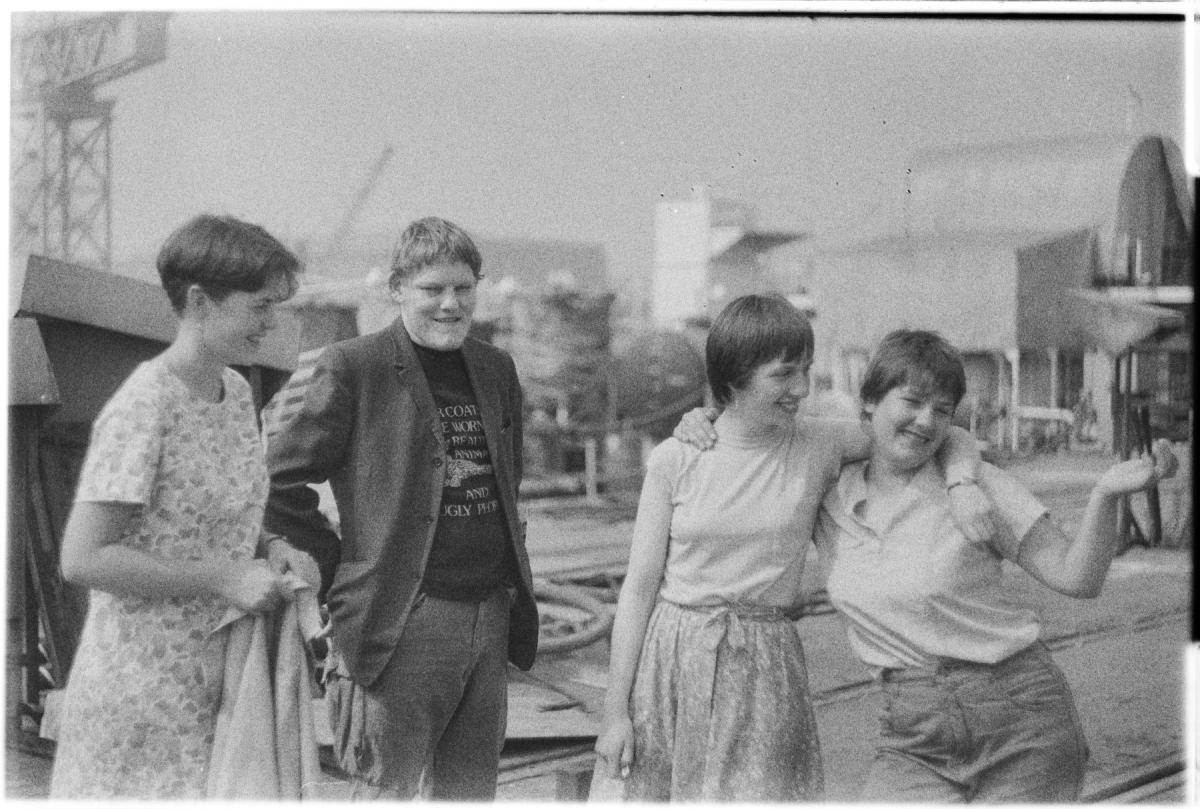
The trio were among those who established and ran a protest camp along Ferry Toll Road in Rosyth in 1983, from May to September, opposing nuclear weapons and the potential refitting of Trident submarines.
The demonstration was set in the context of heightened paranoia of nuclear catastrophe in the early 80s, when relations between the Soviet Union and the West were particularly poor, and mistrust was extremely high. Rosyth was widely recognised by both the military and the public as a high-priority target for a potential Soviet strike.
Lesley conducted extensive interviews, searched through Dunfermline's archives, and wrote the following article about the story of the three women's long months of activism in the summer of 1983....
A story of three activists - Nicola, Maureen and Chris
International Women’s Day for Peace and Disarmament is observed annually on May 24 and is a global initiative that recognises and celebrates the vital role women play in advocating for peace and disarmament.
As the date approaches, this month, Maureen, Chris and Nicola explained their small contribution to peacebuilding.
Nicola said: “Ten of us arrived on Friday, May 22, 1983, with a collection of tents and a caravan. We were inspired by the women’s anti-nuclear protests at Greenham Common in Berkshire, which had started a year earlier. We wanted to get rid of nuclear weapons, change the society that had created these self-destructive weapons, and create a better world for everyone.
“It took us about two months to organise and plan the camp. We chose the location for its proximity to Rosyth Naval Base and the RAF Strike Command headquarters at Pitreavie.
"We checked the ownership of the strip of land and discovered it was unclear, making it more difficult to evict us.”
Maureen, who was working as a senior nursery nurse in Fife at the time, got involved in the cause, despite only being able to commit to weekends.

She said: “Some of the protesters at the camp were of secondary-school age. They were very committed and determined to have their voices heard about the threat from weapons of mass destruction. Along with a few other local women, I helped with health and safety, kept the camp tidy and brought fresh water. I also brought along food – usually pizza.”
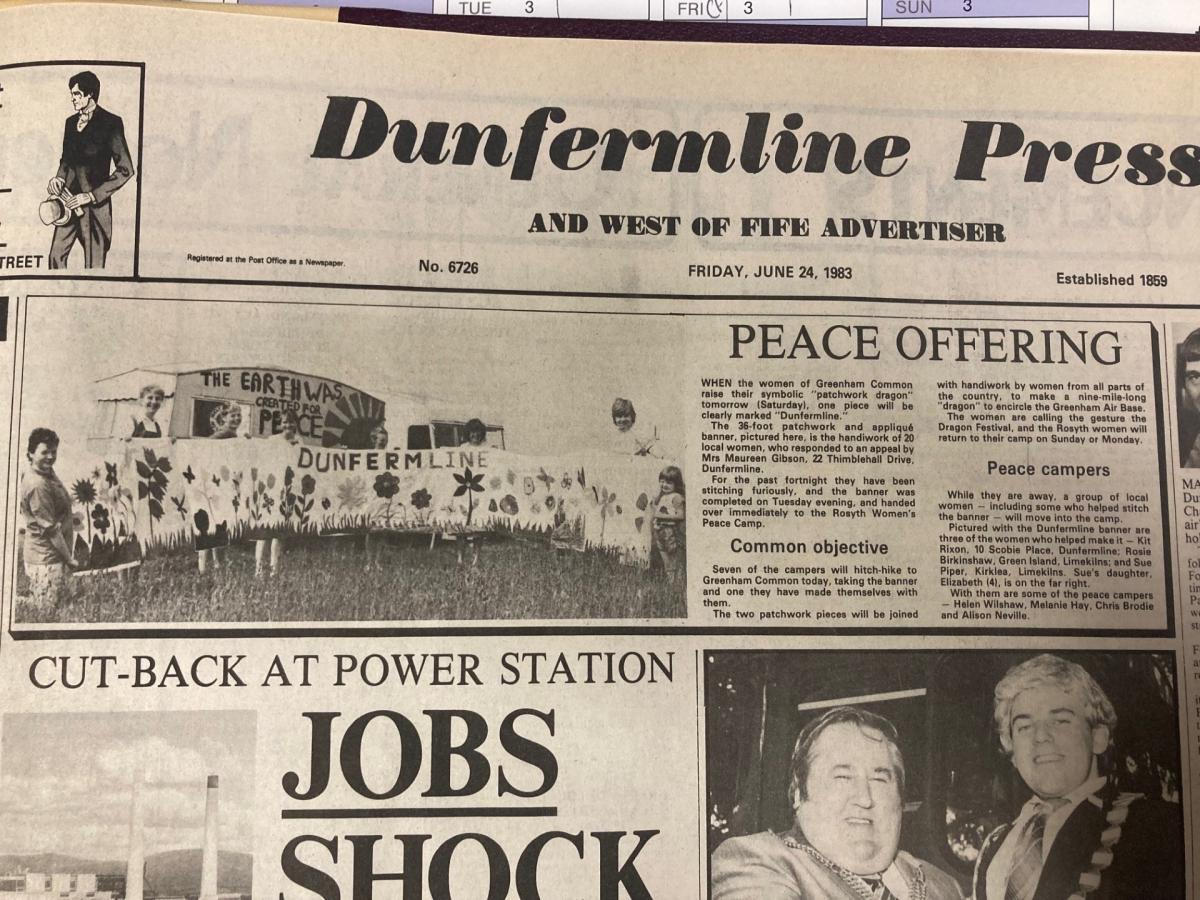
Maureen, who enjoyed sewing, organised local women to create a large banner to take to a Dragon Festival at the Greenham Common women’s peace camp in Berkshire.
The banner featured the word 'Dunfermline’ and was decorated with flowers, butterflies and birds, and was one of hundreds, which formed a 'dragon' to celebrate the continuing life and conservation of the planet through peace.
“The banner was sewn at my house in just two weeks. It was taken down to the festival on a bus, accompanied by some of the women who helped make it. Sadly, I have no idea where the banner is now. It might still be lurking in someone’s attic or cupboard,” Maureen said.
Despite very basic living conditions and frequent threats of physical violence, the women stayed at the camp until the end of September 1983.
“There was traffic going past at all times of the day and night. People shouted at us from their cars, gangs of bikers tried to intimidate us, our guy ropes were cut, objects were thrown at us, and we were threatened with physical violence.
“You had to have your wits about you all the time. It was physically and mentally exhausting,” Nicola said.
Despite the challenges, the women were strongly supported. Local women gave them food and backing, while miners brought firewood.
The late Alex Falconer, who in 1984 became MEP for Mid Scotland and Fife and was a committed campaigner for nuclear disarmament, also visited. Women from across the UK and abroad spent time at the camp in solidarity.
But by September 1983, the decision was made to disband the camp and use leftover donations to buy an old ambulance and set up a ‘Mobile Justice and Peace Resource Centre’.
Chris said: “We were not affiliated with any political party. We were a group of women who passionately believed our country was at imminent risk from nuclear weapons, and we were not prepared to stand by and do nothing.”
More than four decades later, the three women continue to oppose nuclear weapons and advocate for peace.
While the camp no longer exists, Maureen, Chris and Nicola are keen to keep the memory of their campaign alive as the world is set to recognise International Women’s Day for Peace and Disarmament this month.


Share